C.P. Snow
lectured that the polarization between “Two Cultures” in modern society is the
leading obstruction to solving the world’s main issue: the wealth gap. He
argued that the division between literary intellectuals and the natural
sciences propose a societal issue, specifically condemning educational systems
for being the source of the problem. Stephen Wilson discusses the mutual
influences between art and technology and art and science. His claim on “Two
Cultures” revolves more around bridging the wealth gap as opposed to Snow’s
position of strict polarization to a single culture.
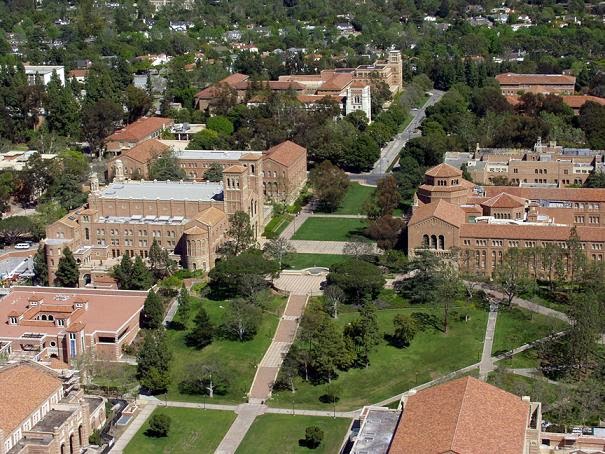
UCLA is a
perfect example of the division between the two cultures. Our campus is comprised
of two separate regions: north and south campus. North campus is home to those
who pursue the arts and humanities while south campus is for those who study math
and sciences. As a pre-psychology major, I am influenced by the two cultures
every day seeing as I mainly reside in south campus.
The
concept of “Two Cultures” is also evident in my heritage. I was born and raised
in America but have been exposed to German culture from my mothers side of the
family. Although these are two very different cultures, I feel like I am able
to adapt to both cultures as they have played a significant role in shaping me
as a person.

Before
this weeks readings, I often integrated the concept of “Two Cultures” into a
single entity, never consciously questioning the separate distinctions between
the sciences and humanities. Now that I think about it, the existence of these
two cultures has played a major role in my life and continues to do so every
day. However, the development of a third culture comprised of ideals from both the
arts and sciences can provide the world with new opportunities to ultimately
close the wealth gap. This third culture represents grey area in-between the separation of art and science. It encompasses ideas from both cultures and is not so black and white.

Citations
Snow, C. P. “Two Cultures and the Scientific Revolution.” Reading. 1959. New York: Cambridge UP, 1961. Print.
Wilson, Stephen D. “Myths and Confusions in Thinking about Art/Science/Technology.” College Art Association Meetings. New York, New York, 2000. Print
Kelly, Kevin. "The Third Culture." The Third Culture. Science Magazine. Web. 5 Apr. 2015.
Bohm, D. "On Creativity." JSTOR. The MIT Press, 1 Apr. 1968. Web. 5 Apr. 2015. <http://www.jstor.org/stable/1571951?seq=1#page_scan_tab_contents>.
Grahm-Rowe, Duncan. "John Brockman: Matchmaking with Science and Art." Wired UK 3 Feb. 2011. Print.


I like how you tied in your German side of the family because you get to experience culture differences first hand. That is something I do not have. You ended with the idea of a third culture which interested me while reading last week too. Technology can close the wealth gap and make connections in the world we could have never dreamed possible.
ReplyDeleteHi Kristin, I enjoyed reading your blog post. Did you find it difficult growing up with the fact that you had two different cultures thrown at you with your mom being German and your dad being American? Or was it relatively easy to adapt to? Like with Jessy I I was the same, as I only experienced one culture growing up. I thought your ideas on the third culture were well developed.
ReplyDelete-Jenny